John Michael Willy Kolter, president of the Latin American Confederation of Customs Brokers (CLAA), has urged authorities to strengthen trade-facilitation measures so that customs processes no longer hinder the movement of goods between Mexico and the United States.
Kolter explained that the industry is calling for more efficient and predictable customs procedures to ensure a smooth and lawful flow of merchandise. He noted that greater agility at the border would help reduce delays and costs, especially as North America competes with other global regions.
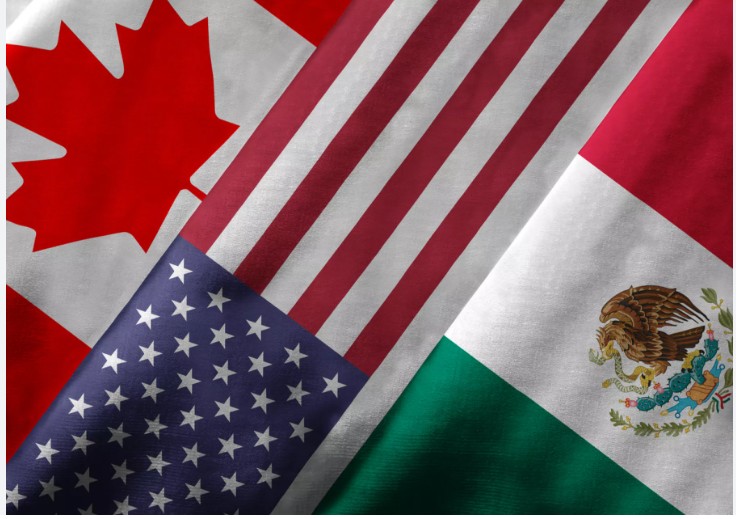
Ahead of the ongoing review of the USMCA, the confederation submitted a series of recommendations to Mexico’s Ministry of Economy aimed at improving customs performance across Mexico, the United States, and Canada. According to Kolter, more streamlined practices would support regional competitiveness.
He emphasized that heightened national-security controls have contributed to slower processing times and more bureaucratic steps at customs checkpoints. The CLAA, he said, has offered input to help simplify commercial transit while maintaining compliance with existing regulations.
Kolter highlighted the importance of keeping cross-border trade running efficiently, as it is a key driver of economic strength for all three North American nations. Although Mexican exports continue to grow, he noted that the pace has been modest amid uncertainty linked to evolving trade policies.
While recent tariff measures have not significantly altered export costs, many exporters remain cautious and are monitoring U.S. trade decisions closely. Kolter underscored the need for clear rules on tariffs and customs procedures to provide greater certainty for businesses.
He added that customs operations in Mexico face structural challenges, including complex processes, heavy paperwork, and operational gaps, which have caused delays in the release of goods. According to his estimates, shipments frequently remain stuck for one to two days due to administrative bottlenecks.
Kolter concluded that the primary issue in cross-border trade is not transportation speed but the volume of procedures required at customs, which continue to generate congestion at key entry points.
Source: Forbes Mexico