In 2025, Mexico recorded record-high grain imports, particularly corn, canola, and soybeans, which are essential for oil production and livestock feed. Analysts note that this trend poses challenges for the country’s food security.
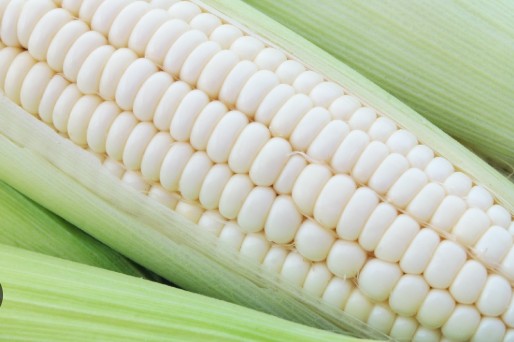
According to data from the Agricultural Markets Consulting Group (GCMA), imports of white corn surged 313% year over year by the end of 2025, reaching 950,000 tons. The consultancy noted that rising foreign purchases point to growing external dependence and reduced food security margins, highlighting the need to strengthen productivity and competitiveness in Mexico’s agri-food sector.
Yellow corn imports continued to rise at a moderate pace, increasing 1.1% annually and totaling 23.8 million tons, making it the most imported grain in the country. Canola imports climbed 27.3% to nearly 1.4 million tons, while soybean meal purchases rose 13.6%.
GCMA director Juan Carlos Anaya emphasized that corn remains the main challenge, given its central role in food consumption as well as industrial and livestock uses. In 2025, Mexico became the world’s largest corn importer, with external purchases reaching 24.76 million tons, the highest volume on record.
In contrast, imports of wheat, rice, and beans declined year over year. Bean imports, for example, fell 31.7% compared with 2024, totaling 280,000 tons.
Looking ahead to early 2026, Mexico expects domestic corn production of about 26 million tons, mostly white corn, while the United States anticipates a record grain harvest. The U.S. remains Mexico’s main supplier due to logistical advantages stemming from geographic proximity and multiple transport options, which help lower costs and risks.
At the same time, Mexico’s agricultural exports have been losing momentum. Between January and November of last year, agri-food exports fell 10.62% year over year, even as total national exports grew 6.8%, according to central bank data. Higher input costs, logistical and security challenges, and reduced support for farmers have weighed on the sector, affecting even traditionally strong export products such as tomatoes.
Source: El Diario MX