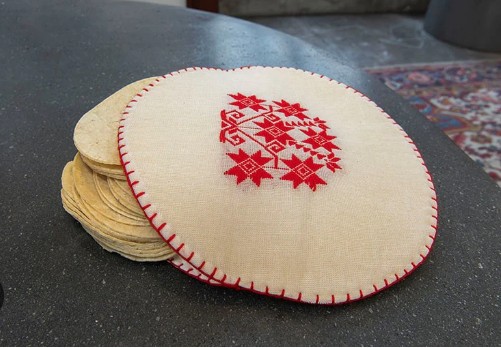
Mexico’s traditional crafts sector, long recognized as a cornerstone of cultural identity and tourism, is facing increasing challenges due to competition from imported products and evolving market dynamics.
According to Mexico City’s Chamber of Commerce (Canaco CDMX), the growing presence of low-cost foreign goods has affected sales of locally made crafts. In key commercial areas, this trend has reduced the visibility of domestic producers and reshaped the product mix available to both consumers and tourists.
Mexican crafts include a wide range of handmade items such as textiles, pottery, and decorative pieces, all of which play an important role in the country’s cultural heritage and tourism appeal. However, these products often compete with mass-produced or imitation goods that are typically sold at lower prices.
Business groups have also raised concerns about imitation products, noting that they may dilute the perceived authenticity and cultural value of traditional designs. At the same time, artisans face structural disadvantages, including higher production costs and longer creation times compared to industrial manufacturing.
This situation is also tied to changing consumer behavior, where price sensitivity increasingly influences purchasing decisions, allowing imported goods to gain ground in both tourist and retail markets.
In response, several measures have been proposed to support the sector, including stronger trade oversight, promotion of locally made products, and efforts to encourage more informed consumption.
Experts agree that finding a balance between open markets and the protection of local industries will be essential to preserving both the economic viability and cultural significance of Mexican crafts.
Source: Enfoque