Meat consumption in Mexico continued to grow in 2025, despite inflationary pressures, higher operating costs, logistics challenges and trade restrictions related to the screwworm outbreak.
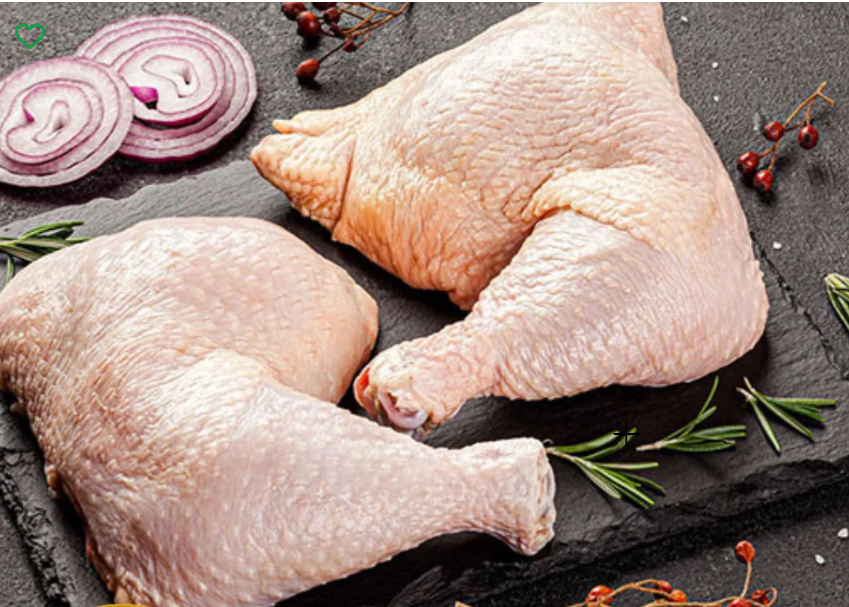
According to the Mexican Meat Council, national consumption rose 4.5% to 11.3 million tons. Growth varied by category: chicken increased 3%, pork rose 7% and beef grew 2.7%, while turkey consumption fell 10.2%.
The increase also reflects changing consumer habits. Demand has grown for processed and value-added products, including cold cuts, sausages and ready-to-eat formats. In 2025, per capita consumption of packaged products such as ham and sausages reached 9.4 kilograms.
Despite solid demand, meat companies continue to face pressure from rising labor, energy, logistics and security costs. Labor now represents between 45% and 50% of production costs, while road blockades and insecurity have increased spending on transportation and insurance.
To manage these pressures, some companies have focused on improving plant efficiency and adjusting operating capacity in order to avoid passing the full cost increase on to consumers. In 2025, the meat industry’s GDP grew 0.6%, while sectors such as construction and manufacturing posted declines.
Exports have also played an important role, particularly to the United States. Mexican beef exports to the U.S. rose 9.9% in 2025 and grew by more than 20% in the first quarter of 2026. This happened as restrictions on live cattle exports remained in place due to the screwworm outbreak, which has caused estimated losses of around $1.85 billion for Mexico.
The restrictions have pushed part of the cattle supply chain to change. Animals that were previously exported live are now being fattened and processed in Mexico before being shipped as meat, allowing more value to remain within the country. For the industry, the main challenge will be to maintain supply and competitiveness while dealing with higher costs, sanitary restrictions and evolving consumption patterns.
Source: Expansión